Commercial Fire Sprinkler Inspection
NFPA 25 Inspection, Testing & Maintenance
A fire sprinkler system is only as reliable as its last inspection. Fire Protection Inc. provides scheduled commercial fire sprinkler inspection across Ohio, carried out by licensed technicians working to NFPA 25 — the standard governing the inspection, testing, and maintenance of water-based fire protection systems.
Sprinkler systems sit idle for years at a time. Corrosion builds inside piping, control valves drift shut, gauges lose calibration, and obstructions collect in mains — none of it visible from the floor. A documented inspection programme catches these problems while they are still maintenance items rather than failures during a fire.
What NFPA 25 Requires
Inspection frequency depends on the component, not the building. A compliant programme runs on several overlapping schedules:
- Weekly / monthly — control valves verified open and locked, gauge readings recorded, dry system air pressure checked.
- Quarterly — waterflow alarm devices tested, supervisory signals verified, fire department connections inspected for damage and obstruction.
- Annually — full inspection of sprinkler heads, piping, hangers and bracing; main drain test; antifreeze solution testing where present.
- Every five years — internal inspection of piping for corrosion and obstruction, standpipe flow testing, and gauge replacement or recalibration.
Our Promise
Fire Protection Inc. guarantees its work to be free from defects in workmanship for a period of one year. Fire Protection Inc. will correct such defect, without delay or additional expense, and to the convenience of the owner.
Professional Partnerships for Better Protection
After two decades, Fire Protection Inc. has built relationships with some of the best suppliers and service providers in the business. Our relationships with our suppliers and manufacturers enable us to provide superior service and benefit our clients.











What a Compliant Inspection Covers
NFPA 25 treats each system component separately, so a thorough inspection is not a single walkthrough. Depending on what is installed in your building, our technicians work through the following:
Wet pipe systems
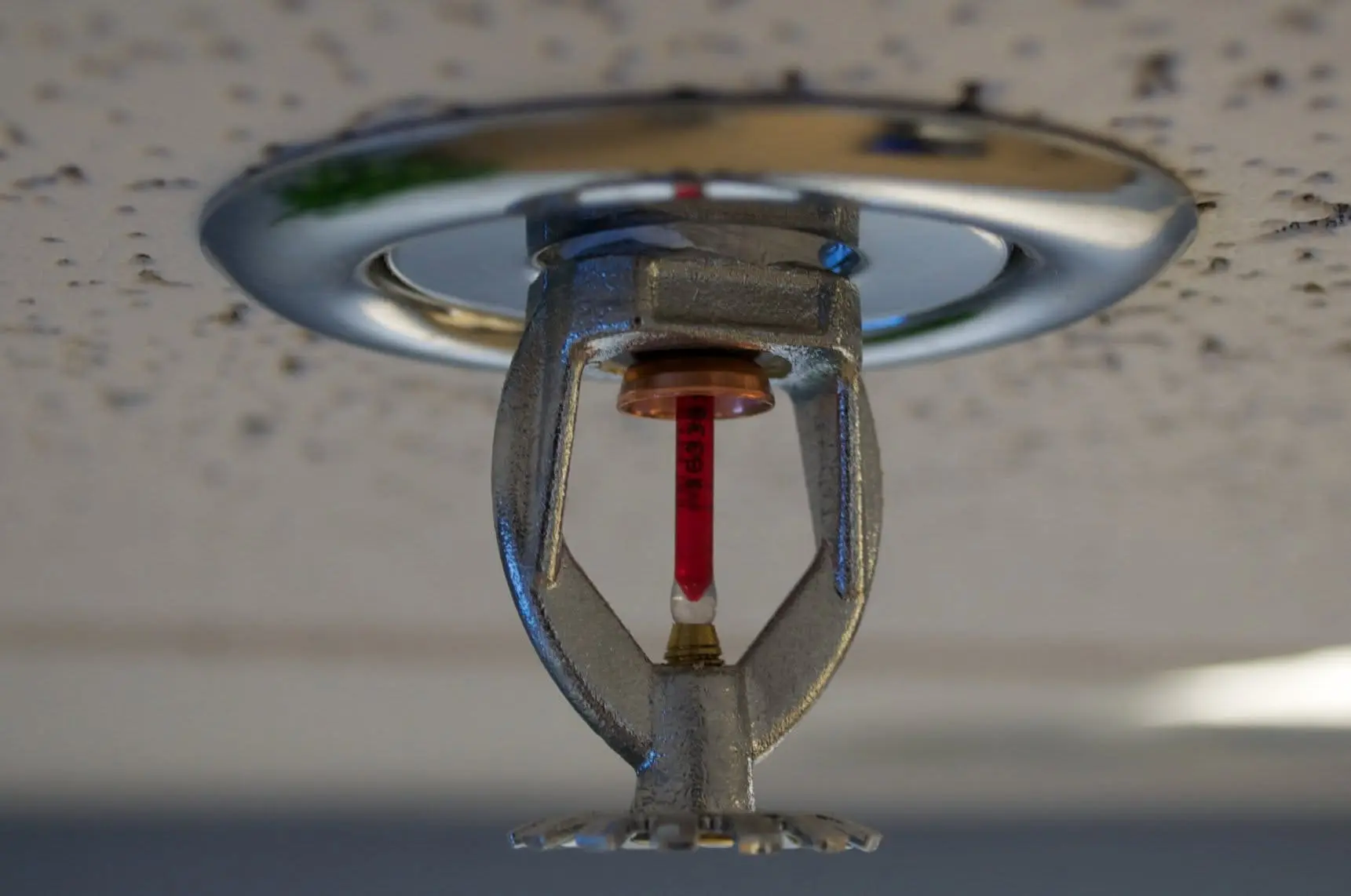
Sprinkler heads are checked for corrosion, paint, physical damage, and adequate clearance beneath the deflector. Piping, hangers, and seismic bracing are examined for movement or fatigue. Control valves are verified open, supervised, and locked. A main drain test confirms the water supply has not degraded since the previous inspection — a drop in residual pressure is often the first sign of a partially closed valve or a municipal supply change.
Dry pipe and preaction systems
Air pressure and low-air alarms are checked, priming water levels verified, and the dry pipe valve inspected for leakage past the clapper. Trip testing is performed on the schedule the standard requires. Dry systems are more failure-prone than wet systems because condensation collects at low points and corrodes piping from the inside.
Fire pumps
Fire pumps carry obligations under both NFPA 20 and NFPA 25. Routine no-flow churn tests confirm the pump starts and builds pressure. An annual flow test measures actual output against the manufacturer pump curve at churn, rated flow, and 150 percent of rated flow.
Standpipes and hose systems
Hose valves, caps, and threads are inspected, and flow testing is carried out on the five-year cycle. In multi-storey buildings a standpipe is what the fire service will actually connect to, so its condition matters as much as the sprinkler system it shares a riser with.
What We Commonly Find
Most deficiencies we document are not dramatic. They are small, cheap to correct, and would have caused a system failure if left alone:
- Control valves closed or partially closed after unrelated building work
- Sprinkler heads painted over during redecoration, or blocked by new racking, ductwork, or partitions
- Corrosion and obstruction in dry system piping, found only on internal inspection
- Gauges past their five-year service life reading inaccurately
- Fire department connections with missing caps, damaged threads, or blocked access
- Air compressors on dry systems short-cycling because of undetected leaks
Storage changes are a frequent and under-appreciated issue. A sprinkler system designed for one commodity class and storage height may no longer be adequate after a tenant changes what they store or how high they stack it, even though nothing about the system itself has changed.
How Often Does a Commercial Sprinkler System Need Inspecting?
There is no single answer, because NFPA 25 sets frequencies per component rather than per building. In practice most commercial properties need quarterly attention to alarm devices, an annual inspection covering the system as a whole, and a five-year cycle for internal pipe inspection and standpipe testing. Buildings with fire pumps, dry systems, or antifreeze loops need more frequent visits than a straightforward wet-pipe office building.
If you are unsure what schedule applies to your property, we will review what is installed and set out the inspection calendar your building actually requires.
24/7
Service
Schedule a Sprinkler Inspection
Tell us your system type and building size and we will quote a compliant inspection schedule. Emergency service is available 24 hours a day.