
5 Signs Your Commercial Fire Protection System Needs an Upgrade
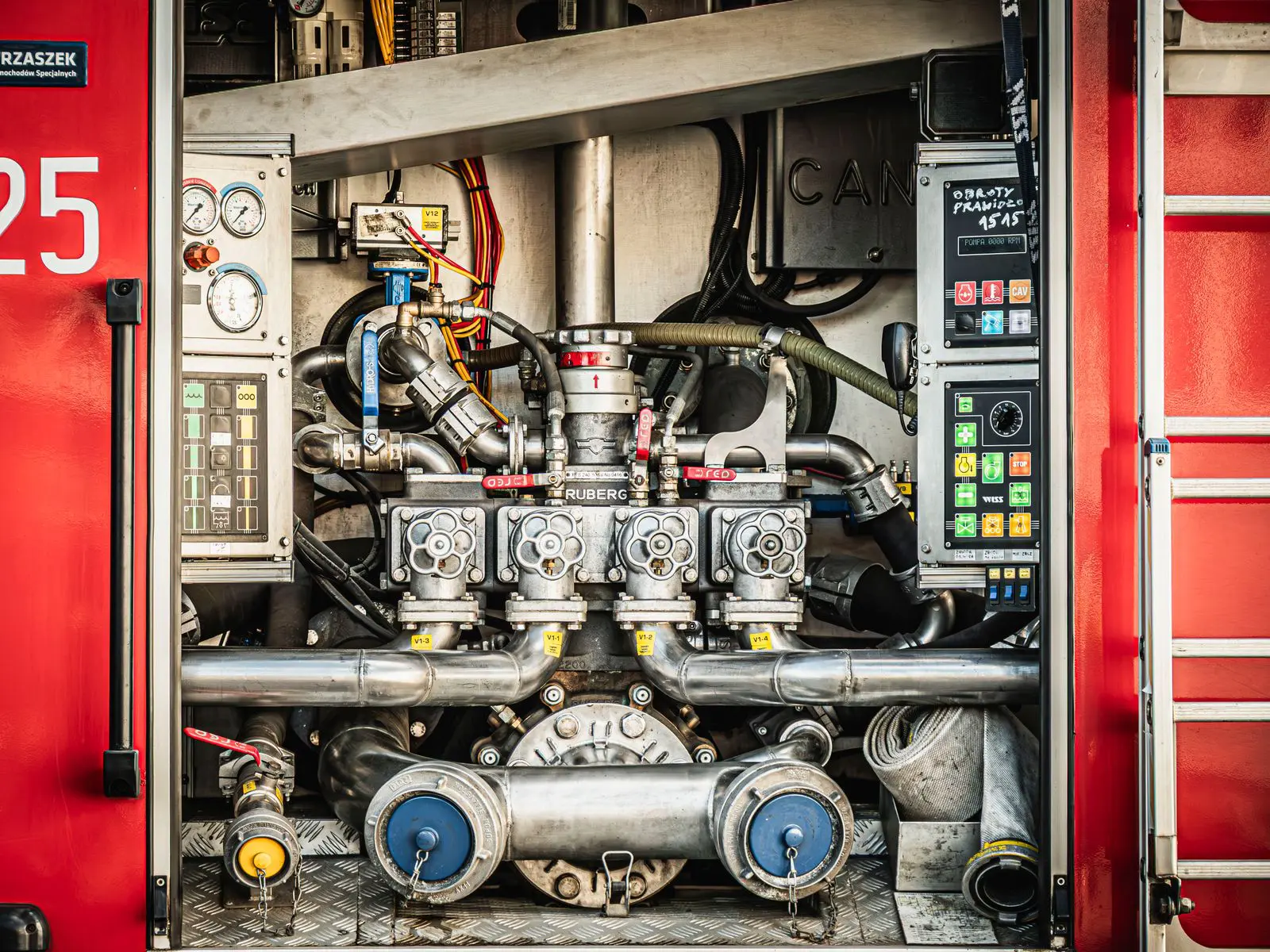
A fire suppression system isn’t a one-time install and forget. Codes get updated, buildings change hands and change use, and hardware that was compliant a decade ago can quietly fall out of step with what NFPA and your local fire marshal require today. Most business owners never think about their sprinkler or alarm system until an inspection flags a problem or, worse, the system fails to perform when it matters. Here are five signs it’s time to have your system evaluated.
Your building’s use, layout, or storage has changed
A sprinkler system is designed around a specific occupancy, storage height, and commodity class. If you’ve added racking, changed what you store, reconfigured walls, or expanded square footage since the system was installed, the original design may no longer provide adequate coverage — even though nothing about the system itself has physically failed.
It’s been more than 5 years since an internal pipe inspection
NFPA 25 requires internal inspection of piping on a five-year cycle for most systems. Corrosion and obstruction build up inside pipes with no outward sign until a flow test comes back short or a section fails. If you can’t remember the last internal inspection, that alone is a reason to schedule one.
You’re seeing recurring corrosion, leaks, or false alarms
A single false alarm is usually a nuisance. A pattern of them — along with visible rust at valves and fittings, or water stains near piping — is usually a symptom of an aging system that’s due for component replacement rather than another spot repair.
Your insurance carrier or the fire marshal has flagged something
Insurance inspections and fire marshal walkthroughs exist to catch gaps before they become claims. A citation, a deficiency letter, or even an informal note about outdated equipment is a direct signal that your system needs attention, and addressing it early is almost always cheaper than addressing it after a denied claim.
The system predates current code, or parts are no longer supported
Codes tighten over time, and manufacturers eventually stop supporting older components. If replacement parts for your system are hard to source, or the system was installed under a code cycle several revisions back, an upgrade protects you from a small failure turning into a full system replacement under emergency conditions.
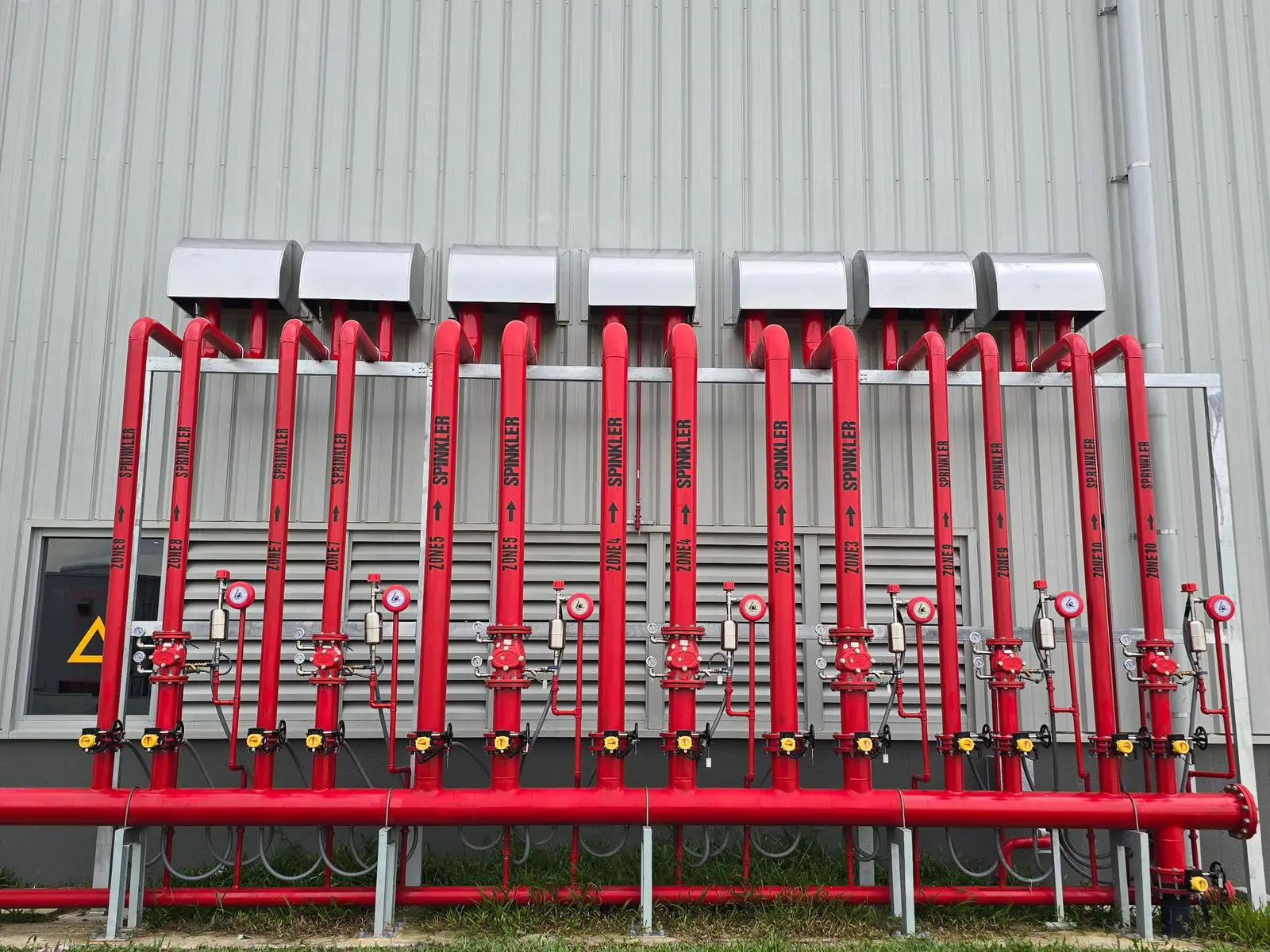
None of these signs mean your system is unsafe today — they mean it’s worth a professional look before a routine inspection turns into an emergency call.
Reach out to Fire Protection Inc. for a system evaluation and a straightforward assessment of what, if anything, needs to be updated.